June 15, 2026
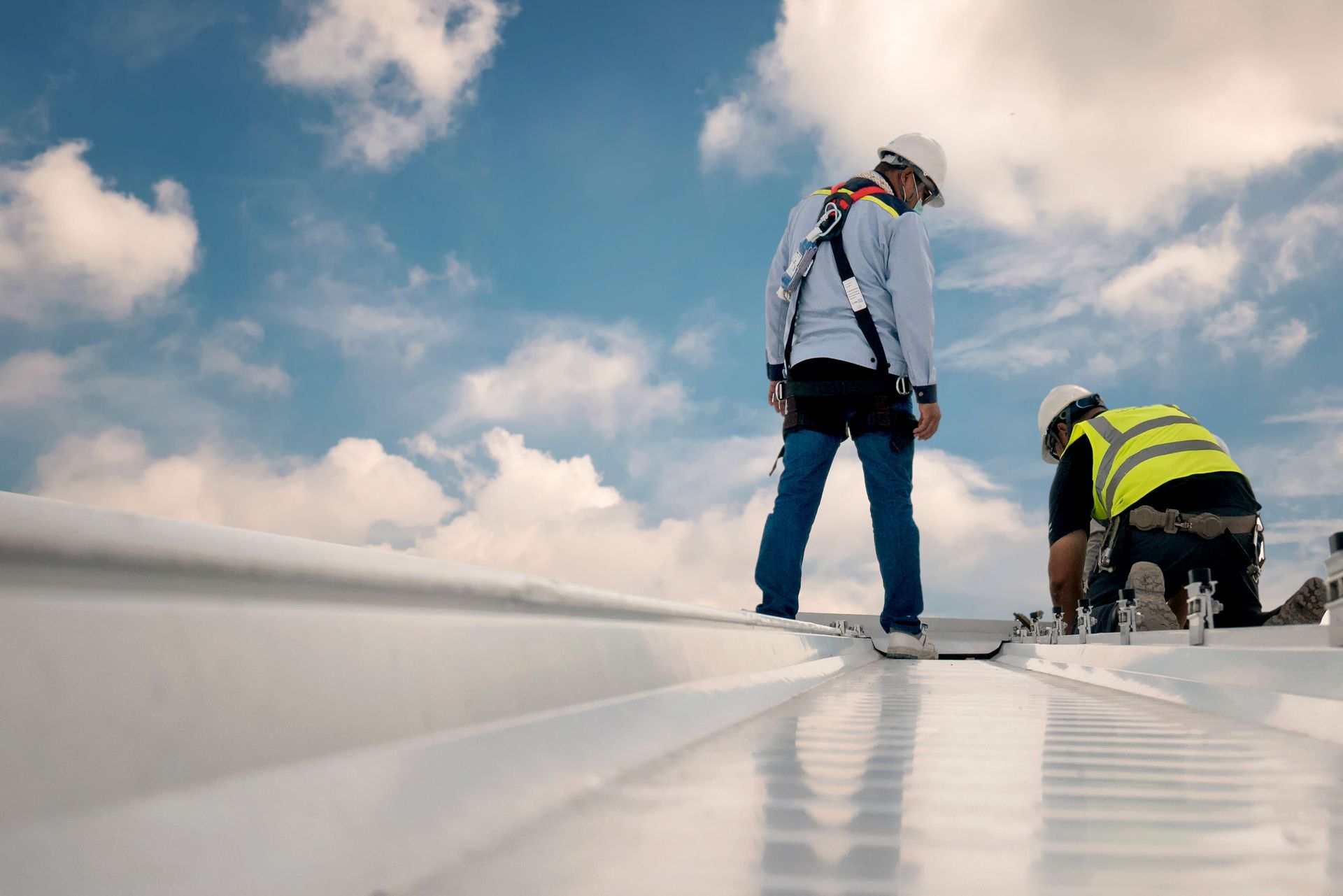
Metal roofing systems have become increasingly popular among homeowners and property managers seeking durability, longevity, and modern curb appeal. Despite their growing popularity, many misconceptions continue to surround metal roofs. These myths often prevent property owners from considering an option that may be well-suited to their needs and long-term goals.
The reality is that modern metal roofing technology has evolved significantly over time. Today’s products offer a wide variety of styles, finishes, and performance benefits that challenge many outdated assumptions. Understanding the truth behind these common myths can help property owners make informed decisions about their roofing investments.
Below, we debunk some of the most persistent myths about metal roofing systems and explain what property owners should know before making a decision.
1. Myth: Metal Roofs Are Excessively Noisy
One of the most frequently repeated myths about metal roofing systems is that they create an unbearable amount of noise whenever it rains. Many people imagine the sound of rain pounding against a metal barn roof and assume a residential metal roof will perform the same way.
In reality, modern metal roofing systems are installed using multiple layers that help reduce sound transmission. Solid roof decking, insulation, underlayment, and proper installation techniques all contribute to creating a quieter indoor environment. As a result, the difference in sound between a metal roof and many other roofing materials is often minimal.
Many homeowners are surprised to learn that properly installed metal roofing systems can be just as comfortable during storms as other common roofing options. The quality of installation plays an important role in overall performance, which is why professional roofing services are essential when considering a metal roof.
Rather than focusing on outdated assumptions, property owners should evaluate modern roofing products based on current construction methods and performance standards.
2. Myth: Metal Roofs Attract Lightning
Another common misconception is that metal roofs attract lightning. This belief causes some property owners to avoid metal roofing altogether out of concern for safety.
However, roofing material does not determine whether lightning strikes a structure. Lightning is generally attracted to the highest point in an area and is influenced by factors such as location, height, and surrounding terrain. A building with a metal roof is not inherently more likely to experience a lightning strike than a building with another type of roofing material.
In addition, metal roofing offers an important safety advantage. Because metal is noncombustible, it does not ignite when exposed to electrical activity. This characteristic can provide added protection compared to materials that may be more vulnerable to fire.
Qualified roofing services can help property owners better understand how different roofing materials perform during severe weather events and clarify common misunderstandings regarding safety.
3. Myth: Metal Roofs Rust Quickly
Many people associate metal roofing with rust and corrosion. This perception often stems from experiences with older metal products that lacked the advanced protective technologies available today.
Modern metal roofing systems are manufactured with specialized coatings and finishes designed to resist moisture, oxidation, and environmental wear. These protective layers help preserve both appearance and structural integrity over time.
In addition to factory-applied finishes, many roofing products are engineered specifically to withstand harsh weather conditions. Whether exposed to heavy rainfall, humidity, or changing temperatures, properly selected materials can provide reliable performance for many years.
Routine inspections conducted by professional roofing services can help identify any potential concerns before they develop into larger issues. With proper care and quality installation, rust is generally not a significant concern for modern metal roofs.
Property owners who choose reputable products and experienced contractors often find that their roofs retain their appearance and functionality for an extended period.
4. Myth: Metal Roofing Is Only Suitable for Commercial Buildings
Because metal roofing has traditionally been associated with warehouses, agricultural facilities, and industrial structures, some homeowners assume it is not appropriate for residential use.
Today’s metal roofing market tells a very different story. Modern manufacturers offer an extensive variety of colors, textures, and profiles that can complement nearly any architectural style. From traditional homes to contemporary designs, metal roofing can provide both aesthetic appeal and practical benefits.
Some products are even designed to resemble other roofing materials while maintaining the performance advantages associated with metal construction. This versatility allows homeowners to achieve their desired appearance without sacrificing durability.
Professional roofing services can guide property owners through the available options and help them select a roofing system that aligns with both functional requirements and design preferences.
As residential interest continues to grow, metal roofing has become a common feature in many neighborhoods and communities across the country.
5. Myth: Metal Roofs Make Homes Hotter
Many homeowners worry that metal roofing will absorb heat and cause indoor temperatures to rise. Because metal surfaces can become warm when exposed to sunlight, this myth appears reasonable at first glance.
The reality is that many modern metal roofing products are specifically designed to improve energy performance. Reflective coatings help redirect a significant portion of solar radiation away from the building rather than allowing heat to penetrate the structure.
This reflective capability can contribute to a more comfortable indoor environment, particularly during periods of intense sunlight. Combined with proper insulation and ventilation, a metal roof may support improved energy efficiency.
When evaluating roofing performance, it is important to consider the entire roofing system rather than focusing solely on the roofing material itself. Proper installation, attic ventilation, insulation quality, and building design all influence overall comfort.
Experienced roofing services can assess these factors and recommend solutions that maximize performance while supporting long-term energy goals.
6. Myth: Metal Roofing Is Too Expensive to Justify
Cost is often one of the primary reasons some property owners hesitate to explore metal roofing options. While metal roofs may require a larger initial investment compared to certain alternatives, focusing only on upfront costs can create a misleading impression.
A roof should be evaluated as a long-term investment rather than a short-term purchase. Durability, maintenance requirements, repair frequency, and overall lifespan all contribute to the total value provided by a roofing system.
Many property owners discover that metal roofing offers substantial long-term benefits because it can withstand challenging environmental conditions while requiring relatively limited maintenance. This combination can help reduce ongoing expenses over time.
Understanding lifecycle value often reveals that metal roofing may be more economical than initially expected.
7. Myth: Roof Damage Always Means Full Replacement
Many property owners assume that any significant roof issue automatically requires a complete replacement. This misconception can lead to unnecessary concern and potentially higher expenses.
In reality, not every roofing problem requires an entirely new roof. The appropriate solution depends on the extent of the damage, the age of the roof, and the overall condition of the roofing system.
According to HomeGuide, repairs may be a more practical option when damage affects less than 25% of the roof, repair expenses remain below 30% of the cost of replacement, and the roof is less than 20 years old. This demonstrates why professional evaluations are so important before making major roofing decisions.
8. Myth: Metal Roofs Require Constant Maintenance
Some people believe metal roofing systems demand frequent upkeep to remain effective. Fortunately, this myth does not accurately reflect the experience of most property owners.
Metal roofs are less susceptible to concerns such as cracking, splitting, and warping that can affect other materials. This resilience often contributes to lower maintenance requirements throughout the roof’s lifespan.
Misconceptions about metal roofing systems continue to influence purchasing decisions, but many of these beliefs are based on outdated information rather than modern roofing technology. Concerns about noise, lightning, rust, appearance, heat retention, cost, repairs, and maintenance often fail to reflect the capabilities of today’s roofing products.
By separating fact from fiction, property owners can evaluate roofing options more confidently and make decisions based on accurate information. Modern metal roofing systems offer a combination of durability, versatility, efficiency, and aesthetic appeal that continues to attract homeowners and commercial property owners alike.
If you’re exploring roofing options or have questions about your current roof, contact Islandwide Contracting LLC today. Together, we can evaluate your property’s needs, discuss available solutions, and help ensure our roofing decisions provide lasting protection, value, and peace of mind for years to come.