June 22, 2026
Choosing a new roof is an important decision that impacts both the appearance and performance of a home. A well-planned roofing project supports long-term protection from weather exposure while also contributing to overall structural integrity. Many homeowners begin this process by consulting roofing contractors to better understand what system will work for their property. This guide outlines key considerations homeowners typically evaluate when selecting a roofing system, including materials, durability, maintenance, installation, and overall project planning. Taking time to review these factors can help create a smoother and more informed decision-making process.
Essential Roofing Material Options
Use Asphalt Shingles
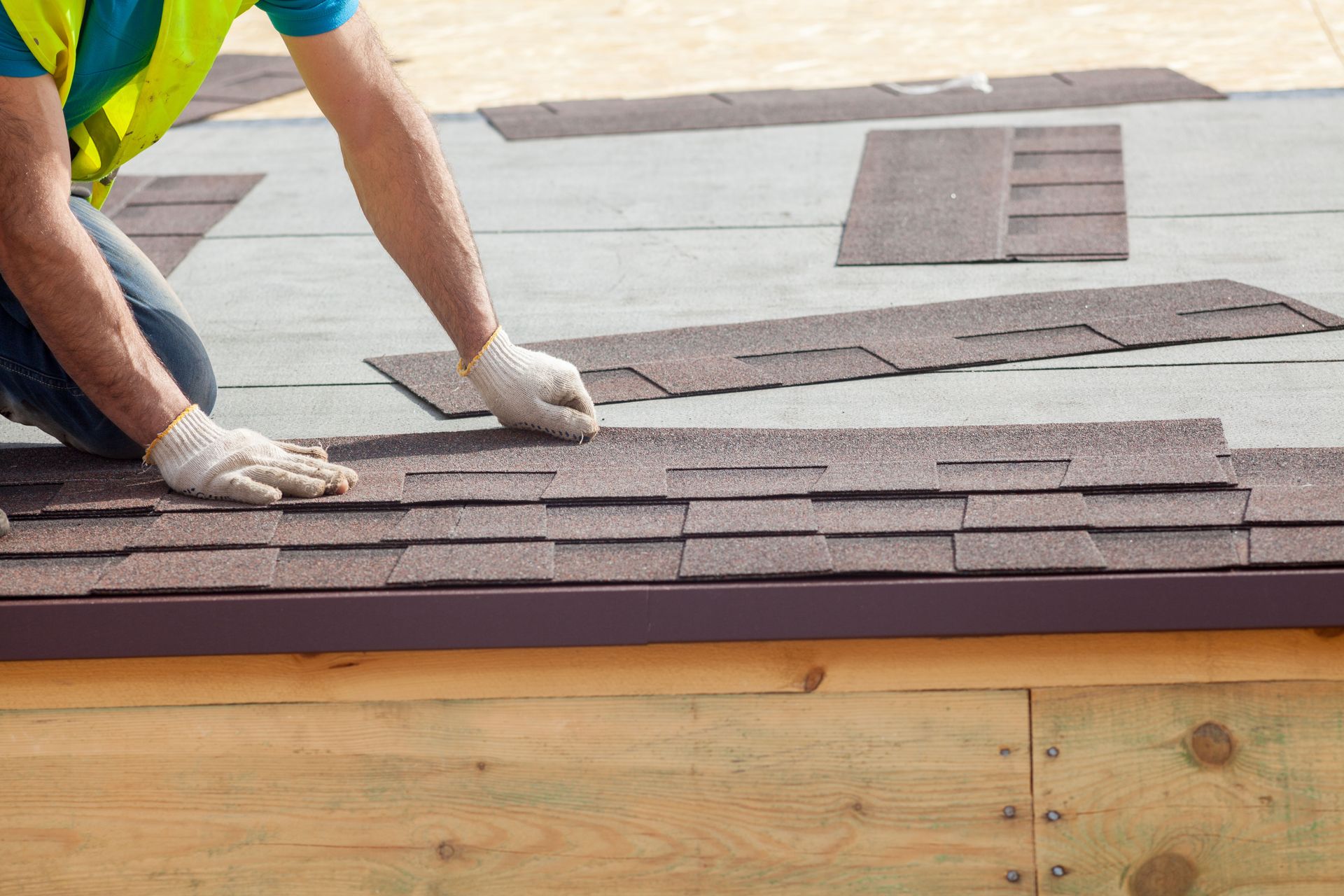
According to This Old House, metal roofing is more expensive than asphalt shingles, but it’s durable and can last for 50 years or longer in installations completed in 2025 or later. Asphalt shingles are one of the most widely used roofing materials in residential construction due to their affordability and straightforward installation. Roofing contractors often recommend this option for homeowners who want a practical balance of cost and performance.
Evaluate General Roofing Systems
Roofing systems can differ based on design, structure, and climate considerations. Roofing contractors typically evaluate these factors before recommending a system that aligns with the home’s needs and long-term performance goals. The selection process often involves evaluating durability, weather resistance, and compatibility with the home’s architecture. A properly selected roofing system should provide dependable protection while supporting long-term performance with routine maintenance and care. These considerations help ensure the system performs consistently over time.
Consider Material Selection Considerations
When evaluating roofing options, homeowners typically consider factors such as weight, maintenance requirements, and long-term performance. Roofing contractors play an important role in assessing how different materials will interact with a home’s structure and environment. Each roofing system has unique characteristics that influence installation requirements and overall suitability for a specific property. Consulting with a qualified contractor can help determine which system aligns best with structural needs and design goals. This step is essential for avoiding issues during and after installation.
Durable Roof Performance
Assess Weather Conditions
Local weather patterns play a significant role in roofing performance. Roofing contractors often evaluate regional conditions such as heavy rain, snow, wind exposure, and sun intensity before recommending a roofing system. Homes in areas with extreme conditions require materials designed to withstand long-term exposure without rapid deterioration. Selecting a system appropriate for the local environment helps support long-term durability and reduces the likelihood of weather-related damage. This evaluation helps ensure the roofing system remains effective over time.
Analyze Structural Considerations
The structure of a home influences which roofing systems are most appropriate. Roofing contractors assess load-bearing capacity and overall structural condition before installation begins. Proper support and installation are essential to ensure the roof performs as intended. Evaluating structural capacity during planning helps prevent issues and contributes to a more stable roofing system overall. This step also helps ensure long-term safety and performance.
Aesthetic Roof Design
Match Roof Style to Home Design
The appearance of a roof contributes significantly to a home’s overall curb appeal. Roofing contractors often help homeowners choose a roofing system that aligns with the architectural style of the property. Selecting a roofing system that complements the home helps create a cohesive and visually balanced exterior. Design consistency is often an important factor in residential remodeling and renovation projects. A well-matched roof can enhance the overall character of the home.
Select Color and Finish Options
Roof color and finish can influence both visual appeal and performance considerations. Lighter tones may reflect more sunlight, while darker tones may absorb more heat depending on environmental conditions. Roofing contractors often guide homeowners through these options to help balance aesthetic preference with practical considerations. Homeowners typically choose colors based on both design goals and regional climate conditions. This selection process helps ensure satisfaction with the finished result.
Consider Regional Design Trends
Roofing styles often vary by region based on local architecture and environmental conditions. Roofing contractors are familiar with these regional preferences and can help guide selection accordingly. Choosing a design that fits within the surrounding area can help maintain visual consistency and support long-term property value considerations. Local construction practices may also influence material availability and installation methods. These factors all contribute to a more informed selection process.
Efficient Energy Performance
Apply Reflective Performance
Some roofing systems are designed to help manage heat absorption by reflecting sunlight. Roofing contractors may recommend these systems in areas where temperature control is a priority. This can contribute to improved indoor comfort depending on the climate and building structure. Performance varies based on material type, installation quality, and environmental exposure. These factors should always be considered during selection.
Improve Ventilation and Airflow
Proper ventilation is an important component of roofing performance. Roofing contractors integrate ventilation systems into the roofing structure to help manage airflow effectively. Adequate airflow helps reduce moisture buildup and supports the long-term condition of roofing materials. Ventilation systems are typically installed as part of the overall roofing process. This helps maintain both structural integrity and performance over time.
Smart Cost Planning
Plan Project Structure
Budget considerations are an important part of any roofing project. Roofing contractors help homeowners understand how project size, material selection, and installation complexity influence overall cost. Costs can vary depending on these factors and the specific requirements of the property. Careful planning helps ensure that the project aligns with both short-term and long-term financial expectations. This preparation supports a smoother project experience.
Compare Project Estimates
Homeowners often review multiple estimates when planning a roofing project. Roofing contractors typically provide detailed breakdowns of scope, materials, and installation steps to support informed comparisons. Comparing scope of work, materials, and installation details helps create a clearer understanding of project expectations. This process supports informed decision-making and helps ensure alignment between planning and execution. It also reduces the risk of unexpected issues during the project.
Anticipate Unexpected Project Factors
During roofing projects, unforeseen conditions may sometimes arise that affect timelines or scope. Roofing contractors account for these possibilities during the planning phase to reduce disruptions. Identifying potential issues early through inspection and planning helps reduce disruptions and supports smoother project completion. This proactive approach helps maintain progress and consistency. It also supports better overall project outcomes.
Seamless Installation and Maintenance
Work with Contractors
Choosing an experienced contractor is an important step in ensuring a successful roofing project. Roofing contractors oversee the installation process to ensure the system is properly fitted and aligned with structural requirements. Professional installation helps ensure that the roofing system is properly fitted and aligned with structural requirements. This helps improve performance and reduces the likelihood of future issues. Proper oversight is essential for long-term results.
Perform Ongoing Maintenance
Regular maintenance helps extend the life of a roofing system. Roofing contractors often recommend periodic inspections, minor repairs, and general upkeep to address wear over time. This may include periodic inspections, minor repairs, and general upkeep to address wear over time. Proactive maintenance supports long-term performance and helps prevent larger issues from developing. These efforts contribute to sustained roof condition.
Evaluate Repair and Replacement
Deciding between repair and replacement depends on the condition of the existing roof and the extent of any damage. Roofing contractors evaluate these factors to determine the most appropriate course of action. Minor issues may be addressed through repairs, while more extensive deterioration may require a full replacement to restore proper function. This decision is based on long-term performance needs. It helps ensure the home remains properly protected.
For homeowners looking to learn more about roofing options or planning a larger renovation, check out Islandwide Contracting LLC. We offer residential and commercial construction services, including roofing, remodeling, additions, flooring, siding, doors and windows, carpentry, and full project management support.