March 31, 2026
A kitchen renovation represents one of the most significant home improvement projects you can undertake, transforming the heart of your home into a more functional and beautiful space. However, many homeowners are surprised to learn that this process takes considerably longer than they initially expected. Understanding the timeline for a kitchen transformation helps you plan appropriately and set realistic expectations for your project. Working with experienced professionals who understand the complexities of kitchen remodeling ensures your project stays on schedule and delivers the results you envision.
Understanding the Standard Kitchen Remodeling Timeline
According to Sweeten, a kitchen renovation can take up to 4 months. This extended timeline reflects the complexity and coordination required to complete a comprehensive remodeling project. Multiple phases must occur in a specific sequence, from initial design and planning through final installation and finishing touches. Each phase depends on the successful completion of previous steps, creating a carefully orchestrated process that cannot be rushed without compromising quality.
Experienced contractors with over 30 years of experience understand how to coordinate the many moving parts of a kitchen remodeling project. They maintain relationships with reliable subcontractors, suppliers, and inspectors who help keep work flowing smoothly. Proactive communication keeps you informed of progress, upcoming milestones, and any issues that arise. Systematic project management minimizes delays and ensures efficient use of time and resources.
Design and Planning Phase Sets the Foundation
The design and planning stage is where your vision takes shape and establishes the roadmap for your entire project. Professional designers work with you to create layouts that maximize space, improve workflow, and incorporate your aesthetic preferences. This phase includes selecting materials, finishes, appliances, and fixtures that align with your budget and style. Thorough planning during this stage prevents costly changes and delays later in the project.
Most kitchen remodeling projects require building permits and inspections to ensure compliance with local codes and safety standards. The permit application process can take several weeks, depending on your municipality and the scope of your project. Electrical upgrades, plumbing modifications, and structural changes all require proper approvals before work can begin. Experienced contractors familiar with local regulations can expedite this process and ensure all documentation is complete and accurate.
Ordering and Receiving Materials Requires Lead Time
Custom cabinets, specialty appliances, and unique materials often require significant lead times from manufacturers. Quality products may take six to twelve weeks to fabricate and deliver to your location. Ordering materials early in the process helps prevent delays when the installation phase arrives. Professional project managers track orders and coordinate deliveries to align with the construction schedule.
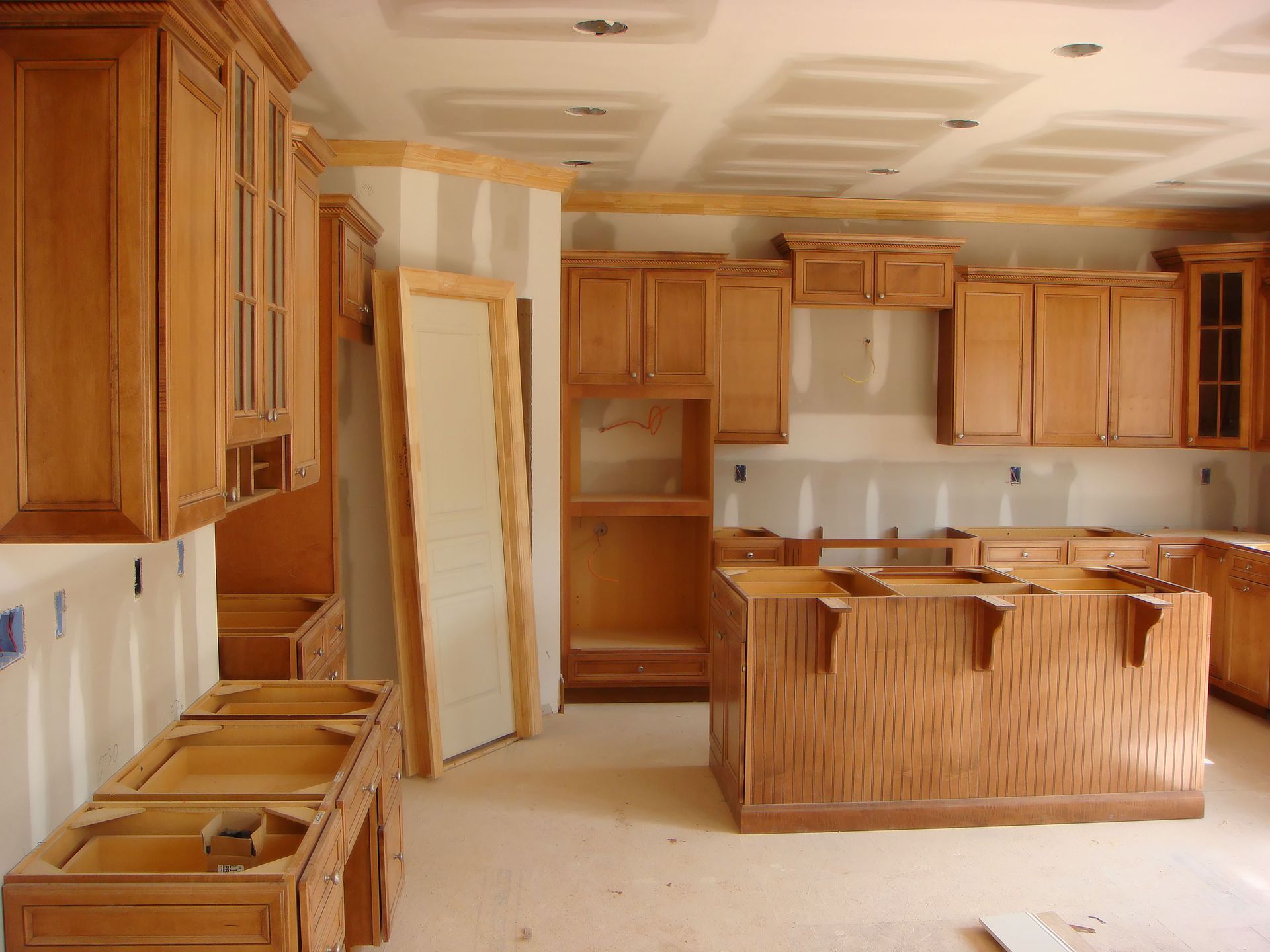
Removing existing cabinets, countertops, flooring, and appliances is the first physical step in your kitchen remodeling transformation. Demolition often uncovers hidden issues such as outdated wiring, plumbing problems, or structural concerns that must be addressed. These discoveries can add time to your project, but are essential to identify and resolve before proceeding. A thorough demolition performed by experienced professionals minimizes damage to surrounding areas and prepares the space for new construction.
Structural Modifications Establish the New Layout
Changes to your kitchen's footprint may require removing walls, relocating doorways, or reinforcing floor structures. Structural work must be completed before electrical, plumbing, or finish work can proceed. Professional contractors ensure all modifications meet building codes and maintain your home's structural integrity. This phase transforms the basic configuration of your space to accommodate your new design.
Today's kitchens demand significantly more electrical capacity than older homes typically provide. Installing new circuits, outlets, and lighting fixtures requires skilled electrical work performed by licensed professionals. Modern appliances, task lighting, and specialty features all need properly sized circuits and safe wiring. Electrical work must pass inspection before walls can be closed and finish work can begin.
Plumbing Modifications Support New Configurations
Moving sinks, adding pot fillers, or installing new dishwashers and refrigerators with water lines requires professional plumbing services. Water supply lines and drain systems must be properly sized and installed to prevent leaks and ensure adequate flow. Kitchen remodeling projects often include upgrades to outdated pipes that could cause problems in the future. Plumbing rough-in work must be inspected and approved before proceeding to the next phase.
After electrical and plumbing work is complete and inspected, walls can be closed with new drywall or repaired existing surfaces. Proper wall preparation includes taping, mudding, sanding, and priming to create smooth surfaces for paint or tile. This phase is time-intensive because the compound must dry completely between coats. Rushing this process results in visible imperfections that detract from your finished kitchen.
Flooring Installation Provides the Foundation
Installing new flooring before cabinets allows for easier replacement in the future and creates a continuous surface throughout the space. Flooring materials like hardwood, tile, or luxury vinyl require specific installation techniques and drying or setting times. Professional installation ensures your floors are level, properly sealed, and will withstand the demands of kitchen use. The type of flooring you select impacts the timeline, with some materials requiring more installation and curing time than others.
Installing kitchen cabinets is a precision process that requires careful measurement, leveling, and securing to wall studs. Base cabinets must be perfectly level to support countertops, while wall cabinets need secure mounting to safely hold dishes and food items. Kitchen remodeling projects often include custom modifications to ensure cabinets fit precisely in the available space. Professional installers make adjustments on-site to accommodate any variations from original measurements.
Countertop Fabrication and Installation Requires Precision
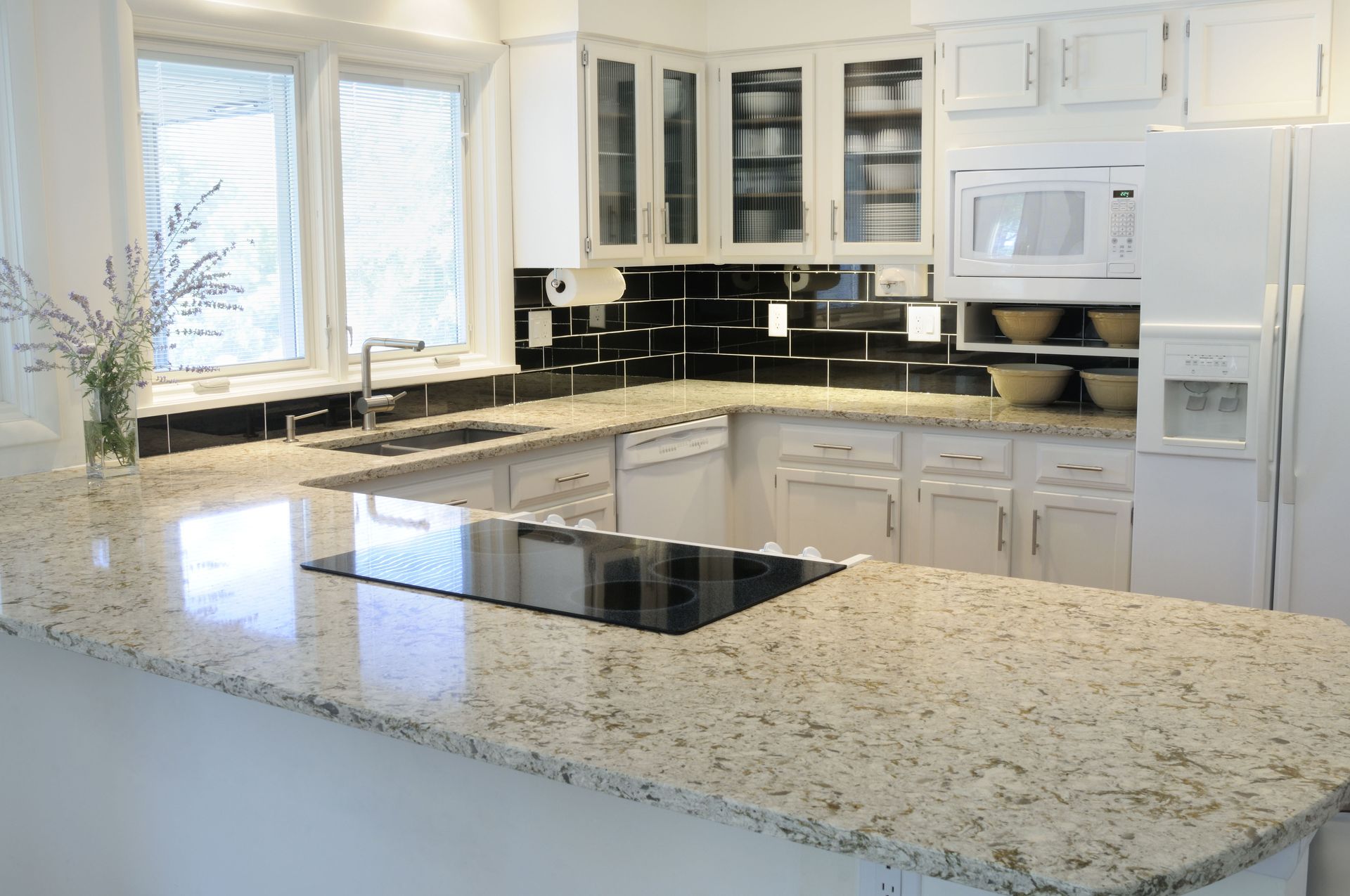
Natural stone, quartz, and solid surface countertops are fabricated to your exact specifications after cabinets are installed and precisely measured. Fabrication alone can take two to four weeks, depending on material availability and shop workload. Installation requires skilled professionals who can handle heavy materials and create seamless joints. Sink cutouts, faucet holes, and edge profiles must all be executed perfectly for a professional result.
Tile, stone, or other backsplash materials protect walls while adding significant design impact to your kitchen. Installation requires careful planning to ensure patterns align and cuts are precise around outlets and windows. Different materials require different setting times and grouting schedules that extend the timeline. Quality backsplash installation contributes substantially to your kitchen's overall aesthetic appeal.
Interior Painting Brings Color and Finish
Professional interior painting transforms your kitchen with fresh color and protects surfaces from moisture and wear. Proper painting requires multiple coats with adequate drying time between applications. Trim work, ceilings, and walls may each require different paint types and finishes. Experienced painters use techniques that ensure smooth, even coverage without drips or brush marks.
Installing new appliances involves electrical and sometimes plumbing connections that must be executed correctly for safe operation. Built-in appliances require precise cabinet modifications and panel matching for a seamless look. Professional installation ensures all appliances are level, properly vented, and functioning correctly. Final adjustments ensure doors open smoothly and all features operate as designed.
Understanding why a comprehensive kitchen transformation requires up to four months helps you approach your project with realistic expectations and appropriate planning. The timeline reflects the careful coordination of design, permitting, material procurement, sequential construction phases, and quality control necessary for exceptional results. While the duration may seem lengthy, each phase serves an essential purpose in creating a kitchen that functions beautifully and lasts for decades. Attempting to compress this timeline by skipping steps or rushing work typically results in compromised quality, budget overruns, and disappointment with the final product. Islandwide Contracting LLC combines extensive experience, comprehensive services, and proven project management to deliver kitchen transformations that meet your timeline expectations while exceeding your quality standards. For more information, contact us today!